Natural Pain Relief: Acupuncture for Neuropathic Pain
Table Of Contents
What to Expect During Treatment
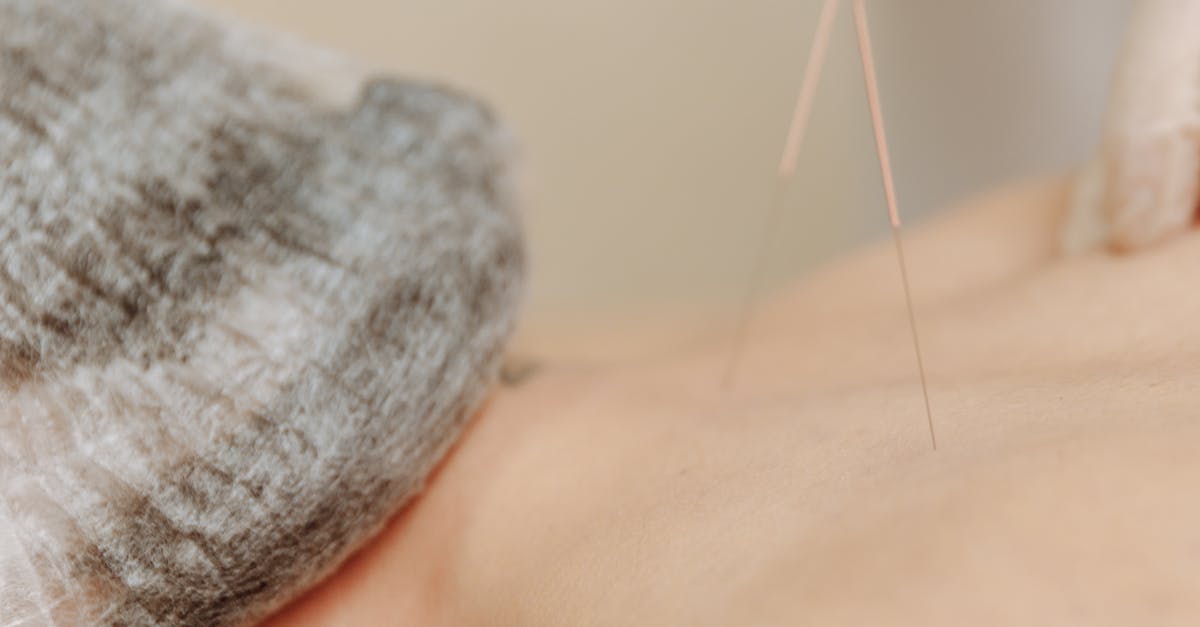
Patients can anticipate a calm environment when arriving for acupuncture sessions. The practitioner will typically discuss the individual’s symptoms and medical history, tailoring the treatment to suit specific needs. It's common to lie down on a comfortable treatment table during the session. Practitioners often use several thin needles, which they insert into specific points on the body. Most individuals report minimal discomfort, with some even describing a sensation akin to a slight pinch or tingling.
During the treatment, the practitioner may leave the needles in place for a set duration, usually ranging from 20 to 40 minutes. While the needles are inserted, patients often experience deep relaxation, sometimes drifting off to sleep. The practitioner will likely check in on comfort levels and adjust the treatment approach as necessary. Overall, the experience aims to be soothing, promoting a sense of well-being while addressing the underlying sources of pain.
The Acupuncture Process
The acupuncture process typically begins with an initial consultation, where a practitioner assesses the patient's condition and medical history. This evaluation helps determine the most effective points on the body to target during treatment. Practitioners often look for specific symptoms, overall health, and even lifestyle factors to tailor their approach. Once the treatment plan is established, patients lie comfortably on a treatment table, preparing for the insertion of fine needles into designated acupuncture points.
During the procedure, needles are inserted at various depths depending on the individual's needs and the targeted area. Some patients may feel a slight pinch at the insertion site, while others report a sensation of warmth or heaviness as the needles stimulate the body's energy flow. After insertion, the needles are left in place for about 20 to 40 minutes, allowing the body to relax and begin its healing process. Practitioners may adjust the needles or apply gentle stimulation for enhanced effects, which can contribute to a greater sense of relief from neuropathic pain.
Safety and Risks of Acupuncture
Acupuncture is generally considered safe when performed by a qualified practitioner. It is important to receive treatment from an accredited professional who has undergone appropriate training. This ensures that hygienic practices are followed, significantly reducing the risk of infection. Prospective patients should verify the practitioner's credentials and experience to further enhance their safety during the process.
While side effects are rare, they can occasionally occur. Commonly reported effects include minor bruising, slight pain or discomfort at the needle insertion sites, and transient feelings of lightheadedness. It is also essential for individuals to disclose any existing medical conditions or medications to their acupuncturist. This information helps the practitioner tailor the treatment to the patient's specific needs, minimising potential complications.
Common Side Effects and Precautions
Acupuncture is generally considered safe when performed by a qualified practitioner. However, some individuals may experience mild side effects. Commonly reported reactions include minor bruising at the needle sites, slight bleeding, or temporary soreness. Occasionally, patients may feel light-headed or fatigued following a session. These effects tend to dissipate shortly after the treatment, and serious complications are rare, especially when treatment is given in a sterile environment.
It is important to disclose any underlying health conditions or medications to your acupuncturist before treatment. Individuals with specific disorders such as bleeding disorders or those who are pregnant should consult with their healthcare provider prior to undergoing acupuncture. Practitioners often take precautions to ensure a personalised and safe experience, which is essential in minimising risks and addressing any potential concerns related to your health.
Complementary Therapies with Acupuncture
Acupuncture can work effectively alongside various complementary therapies to enhance overall pain relief. Techniques such as massage therapy or physical therapy may provide additional support by alleviating muscle tension and improving mobility. Together, these methods can create a more holistic approach to managing neuropathic pain, addressing both physical and mental aspects of discomfort.
Incorporating practices like mindfulness meditation or yoga can further complement acupuncture treatment. These therapies foster relaxation and help manage stress levels, which may exacerbate pain perception. By integrating these approaches, individuals may experience a greater sense of well-being, potentially leading to improved outcomes in their pain management journey.
Integrating Other Natural Pain Relief Methods
Combining acupuncture with other natural pain relief methods can enhance overall effectiveness in managing neuropathic pain. Techniques such as physical therapy, massage, and herbal remedies may complement acupuncture treatments. These therapies work synergistically, addressing pain from multiple angles. For instance, while acupuncture focuses on energy pathways, physical therapy can help improve mobility and strengthen muscles, potentially alleviating discomfort.
Incorporating practices like meditation or yoga can also provide additional benefits. These approaches promote relaxation and mindfulness, which may lower stress levels that often exacerbate pain. Additionally, nutritional support through a balanced diet can contribute positively to pain management. By combining these various methods, individuals may experience a more comprehensive and holistic approach to their treatment, ultimately leading to improved well-being.
FAQS
What is neuropathic pain?
Neuropathic pain is a type of chronic pain that occurs due to damage or dysfunction of the nervous system. It can result from various conditions, including diabetes, shingles, or nerve injuries, and is often characterised by sensations such as burning, tingling, or shooting pain.
How does acupuncture help relieve neuropathic pain?
Acupuncture helps relieve neuropathic pain by stimulating specific points on the body to promote the release of endorphins and improve blood flow, which may reduce inflammation and enhance overall nerve function, thereby alleviating pain.
Is acupuncture safe for everyone?
While acupuncture is generally considered safe for most individuals, it may not be suitable for those with certain health conditions such as bleeding disorders or infections. It’s important to consult with a healthcare professional before starting acupuncture treatment.
What are the common side effects of acupuncture?
Common side effects of acupuncture can include minor bruising, soreness at the needle insertion sites, and temporary fatigue. These side effects are usually mild and resolve quickly after the treatment.
Can acupuncture be used alongside other natural pain relief methods?
Yes, acupuncture can be effectively integrated with other natural pain relief methods such as herbal medicine, physical therapy, and mindfulness practices. Combining these therapies can provide a more comprehensive approach to managing neuropathic pain.
Related Links
How Acupuncture Supports Recovery from Surgery PainExploring the Benefits of Acupuncture for Sports Injuries