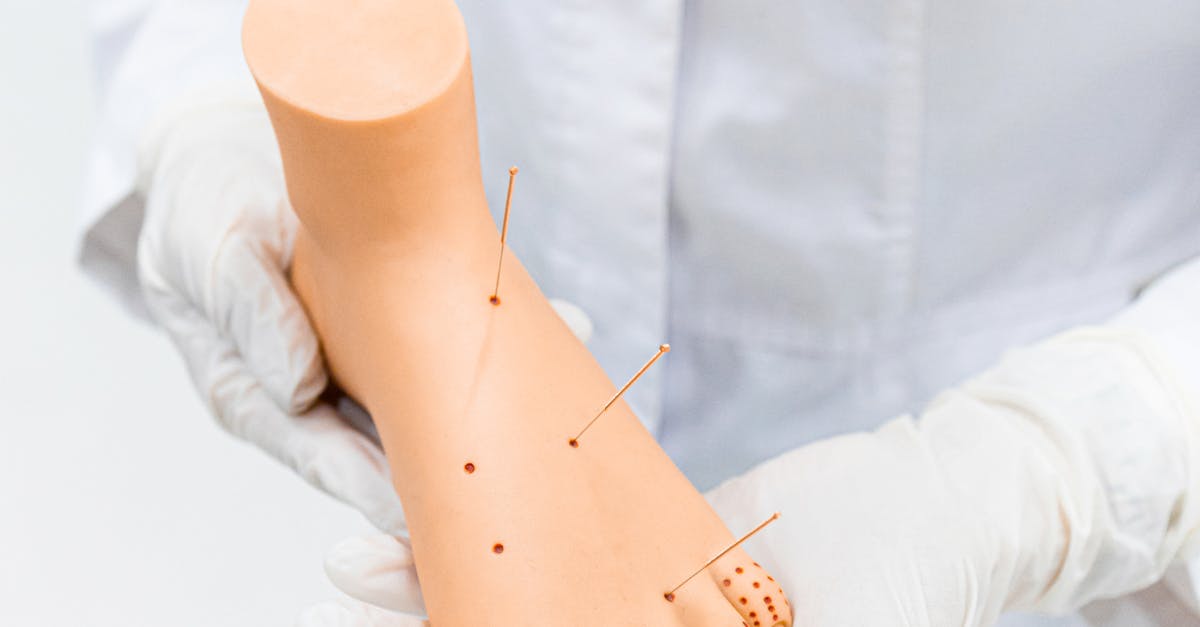
The Role of Acupuncture in Alleviating Anxiety Symptoms
Table Of Contents
Mechanisms of Acupuncture in Reducing Anxiety Symptoms
Acupuncture is believed to influence anxiety by stimulating the nervous system and promoting a state of relaxation. This ancient practice is thought to activate specific pathways in the brain that regulate emotions, effectively reducing feelings of anxiety. Research has shown that acupuncture can modulate the levels of various neurotransmitters, including serotonin and dopamine, which play crucial roles in mood regulation. By enhancing the release of these chemicals, acupuncture may help balance the emotional state, fostering a sense of calm and well-being.
Furthermore, acupuncture can reduce the production of stress hormones such as cortisol, which are typically elevated during periods of anxiety. The insertion of fine needles into strategic points on the body stimulates nerve endings, triggering an analgesic effect. This not only helps relieve physical discomfort but also facilitates the body’s natural healing processes. As a holistic approach, acupuncture addresses both the mind and body, enhancing overall resilience to stress and promoting a profound sense of tranquillity.
How Acupuncture Influences Neurotransmitters
Acupuncture has garnered attention for its ability to modulate neurotransmitter levels, which play a crucial role in regulating mood and emotional responses. By stimulating specific acupuncture points, the procedure can enhance the release of neurotransmitters such as serotonin, dopamine, and norepinephrine. These chemicals are pivotal in maintaining emotional balance and alleviating feelings of anxiety. The dynamic interplay between these neurotransmitters is essential for improving the overall sense of well-being and mental clarity.
Additionally, acupuncture may also reduce the activity of stress-related neurotransmitters and hormones. Studies have shown that the technique can decrease levels of cortisol, often referred to as the stress hormone. By balancing neurotransmitter activity and reducing excessive stress responses, acupuncture offers a holistic approach to anxiety management. This modulation can lead to a more stable mood and a greater ability to cope with anxiety-provoking situations.
Types of Acupuncture Techniques Used for Anxiety
Various acupuncture techniques are employed in the management of anxiety, tailored to individual needs and conditions. Traditional Chinese acupuncture often focuses on specific meridian points associated with emotional health. Auricular acupuncture, which targets points on the ear, has gained attention for its effectiveness in reducing anxiety levels. This particular method taps into the nervous system’s response, potentially offering quick relief through targeted stimulation.
Another popular method is electroacupuncture, where a mild electrical current is applied to the acupuncture needles. This technique enhances the stimulation of the needles and can produce deeper relaxation effects. Furthermore, some practitioners incorporate acupressure, using manual pressure on acupoints instead of needles. This approach can be particularly appealing for those hesitant about traditional acupuncture and still seeks anxiety reduction through similar principles.
Overview of Common Acupuncture Modalities
There are several acupuncture modalities commonly employed to address anxiety. Traditional Chinese Medicine often incorporates techniques such as body acupuncture, where needles are inserted at specific points on the body. These points correspond to various meridians believed to influence both physical and emotional well-being. Auricular acupuncture focuses on the ear, targeting points that are associated with anxiety relief. This method has gained popularity due to its ease of accessibility and its non-invasive nature.
Electro-acupuncture represents another approach, integrating electrical stimulation with traditional acupuncture. Thin needles are inserted into the skin, and gentle electrical currents are applied to enhance the therapeutic effect. This technique aims to amplify the release of endorphins, thus potentially providing greater relief for anxiety symptoms. Cupping and moxibustion are also used in conjunction with needles, offering additional benefits by promoting blood flow and enabling relaxation. Each modality brings unique benefits and can be tailored to individual patient needs.
What to Expect During an Acupuncture Session
During an acupuncture session, patients typically lie down on a treatment table in a calm and quiet environment. Practitioners begin by discussing any specific concerns, medical history, and symptoms. This conversation helps tailor the treatment to individual needs. Once comfortable, the acupuncturist gently inserts fine needles at specific points on the body, ensuring minimal discomfort.
As the session progresses, some may feel a slight tingling or heaviness at the needle sites. This sensation indicates energy movement within the body. Sessions generally last between 30 to 60 minutes, and many people find the experience relaxing. Acupuncturists may also incorporate additional techniques, like moxibustion or cupping, to enhance the treatment's effects.
The Typical Patient Experience
Patients often enter the clinic with a mix of curiosity and apprehension. A clean, tranquil environment typically greets them, helping to ease initial nerves. The practitioner discusses individual needs and concerns, allowing for a personalised approach to treatment. This consultation stage sets the foundation for the entire experience, ensuring patients feel heard and understood.
Once the needles are placed, sensations can vary. Some report a slight prick or warmth at the insertion points, while others feel deeply relaxed or even drowsy. The duration of a session can range from 30 minutes to an hour, during which patients are encouraged to remain passive and allow the treatment to unfold. Many leave feeling a sense of calm, noting immediate relief or a gradual improvement in anxiety symptoms over subsequent visits.
FAQS
What is acupuncture and how does it work for anxiety?
Acupuncture is a traditional Chinese medicine practice that involves inserting thin needles into specific points on the body to restore balance and promote healing. It is believed to work for anxiety by influencing the flow of energy (Qi) and stimulating the release of neurotransmitters, which can help regulate mood and reduce stress.
How many acupuncture sessions are typically needed to see results for anxiety?
The number of acupuncture sessions required can vary depending on individual needs and the severity of symptoms. Many people may start to notice improvements after 3 to 5 sessions, while others might need ongoing treatment for several weeks or months to achieve optimal results.
Are there any side effects associated with acupuncture for anxiety?
Acupuncture is generally considered safe when performed by a qualified practitioner. Side effects are rare but may include mild bruising, soreness at the needle site, or temporary emotional release. It’s essential to discuss any concerns with your acupuncturist before starting treatment.
Can acupuncture be used alongside other treatments for anxiety?
Yes, acupuncture can be effectively used in conjunction with other treatments such as therapy, medication, or lifestyle changes. It is advisable to inform all healthcare providers about all treatments being undertaken to ensure a coordinated approach to managing anxiety.
How do I find a qualified acupuncturist for anxiety treatment?
To find a qualified acupuncturist, you can ask for recommendations from your healthcare provider, check professional organisations for accredited practitioners, or look for reviews and testimonials online. It’s important to ensure that your acupuncturist is licensed and has experience in treating anxiety.
Related Links
Exploring the Impact of Acupuncture on Stress and WellbeingAcupuncture Points That Target Stress and Tension Relief