Understanding the Techniques and Benefits of Dry Needling
Table Of Contents
The Role of Dry Needling in Physiotherapy
Dry needling has emerged as an effective technique within the field of physiotherapy, particularly for addressing myofascial pain. Practitioners use thin needles to target specific muscles and trigger points, aiming to alleviate pain and enhance muscle function. This intervention allows therapists to directly address the underlying issues contributing to discomfort, rather than merely treating the symptoms. By creating small lesions in the muscle tissue, dry needling facilitates a healing response, promoting increased blood flow and reducing tension.
Incorporating dry needling into treatment plans offers physiotherapists a versatile tool to improve patient outcomes. The technique is often paired with other therapeutic modalities, such as manual therapy and exercise rehabilitation, to provide a comprehensive approach to pain management. Patients may experience immediate relief following a session, which can encourage greater engagement in overall rehabilitation. As awareness and research surrounding dry needling continue to grow, its role in physiotherapy becomes increasingly significant, offering a valuable addition to traditional treatment methods.
Integrating Techniques for Improved Outcomes
Combining dry needling with other therapeutic techniques can enhance the overall effectiveness of treatment. Physiotherapists may incorporate manual therapy, exercise prescription, and modalities like heat or cold therapy to complement the benefits of dry needling. By integrating these approaches, practitioners can address a wider range of musculoskeletal issues. This holistic strategy aims to alleviate pain and improve functionality more effectively than using a single method in isolation.
An individualised treatment plan ensures that each patient's unique needs are considered. Collaboration between the patient and physiotherapist is essential for achieving optimal outcomes. Through open communication, feedback about symptoms and progress helps refine the techniques used during therapy. Over time, this integrative approach can lead to a significant reduction in pain, increased range of motion, and overall improvements in physical function.
How to Prepare for a Dry Needling Session
Preparing for a dry needling session involves ensuring that your body is in the best condition for treatment. It is advisable to wear comfortable clothing that allows easy access to the treatment area. Keeping the muscles relaxed can enhance the effectiveness of the technique. You might also consider avoiding strenuous activities or intense workouts in the hours leading up to your session, as this can help prevent discomfort during the treatment.
Communication with your physiotherapist is essential. Sharing details about any specific pain points or previous injuries can help tailor the session to your needs. It’s also beneficial to hydrate adequately before your appointment, as this can aid in muscle function and minimise cramps. Being well-rested can further enhance your overall experience during the treatment, allowing for better relaxation and response to the procedure.
Tips for Optimal Experience
To make the most of a dry needling session, consider arriving a little early for your appointment. This extra time allows you to relax, which can enhance the effectiveness of the treatment. Being calm helps your body to respond better to the needles. It may also be beneficial to wear comfortable clothing that allows easy access to the treatment area. Discussing any concerns or previous experiences with your therapist prior to the session can further tailor the treatment to your individual needs.
Post-treatment care plays a vital role in your experience. Staying hydrated following the session can aid in recovery and enhance muscle function. Gentle stretching or using a warm compress on the treated areas can also alleviate any tenderness that might arise. Listening to your body and allowing it the time it needs to recover will contribute to a more positive outcome.
What to Expect During a Dry Needling Treatment
Patients can expect a thorough assessment before the treatment begins, where the physiotherapist evaluates the specific areas of concern and discusses the treatment goals. The practitioner will explain the procedure, ensuring the patient is comfortable with the process. Once ready, the selected muscle knots or trigger points are identified.
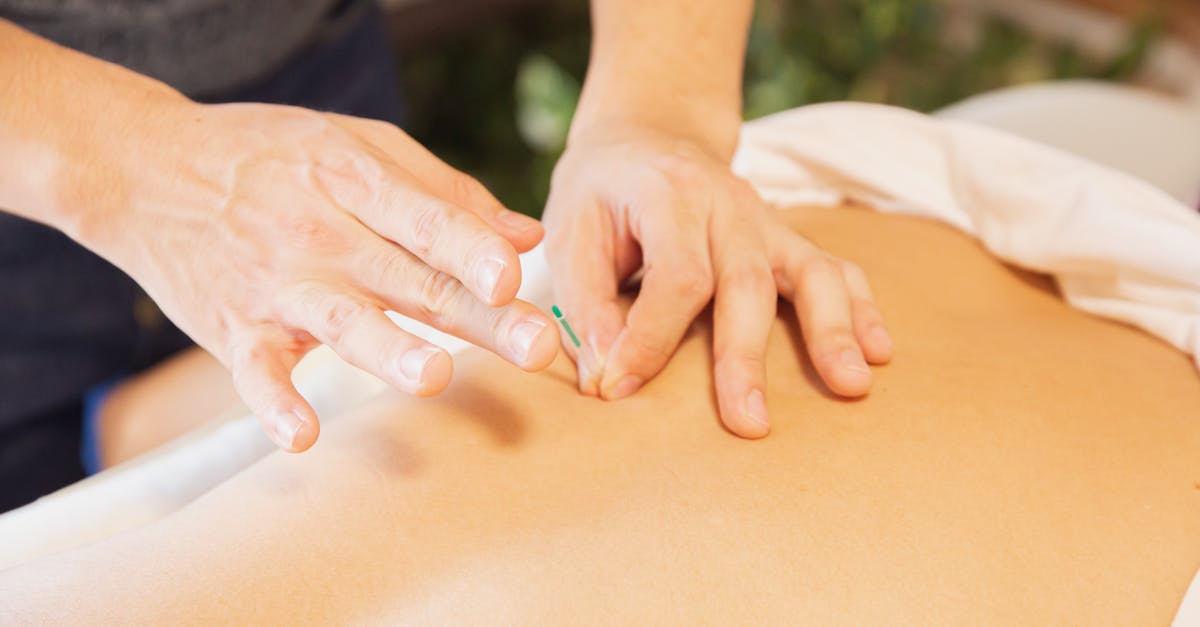
During the treatment, thin needles are gently inserted into the skin at precise locations, targeting the muscles. Most patients report a minor sensation upon insertion, sometimes described as a twitch or a dull ache. The duration of the session typically ranges from a few minutes to half an hour, depending on the complexity of the issues being addressed and the number of areas treated. After the session, some may experience mild soreness, similar to that felt after exercise, which generally subsides within a day or two.
The Process Explained
During a dry needling session, the physiotherapist begins by assessing the patient's condition and identifying trigger points in the muscles. These trigger points are often areas of tightness or discomfort. The therapist then selects thin, sterile needles that are inserted directly into the muscle tissue at these specific points. The goal is to stimulate a healing response and relieve pain by promoting increased blood flow and reducing muscle tension.
Once the needles are in place, patients may experience a sensation referred to as a "twitch response." This occurs when the muscle fibers contract and then relax. The duration for which the needles remain in the muscle can vary, typically lasting anywhere from a few minutes to around 20 minutes, depending on the treatment plan. Throughout the process, physiotherapists monitor the patient's comfort levels and adjust their approach as necessary, ensuring a tailored experience that addresses individual needs.
FAQS
What is dry needling?
Dry needling is a treatment technique used by physiotherapists that involves inserting thin needles into specific trigger points in muscle tissue to relieve pain and improve function.
How does dry needling differ from acupuncture?
While both techniques involve the use of needles, dry needling focuses on muscular trigger points and is primarily used for pain relief and muscle tension, whereas acupuncture is based on traditional Chinese medicine and targets energy flow within the body.
Is dry needling painful?
Most patients report minimal discomfort during dry needling. You may feel a brief pang or cramping sensation as the needle enters the muscle, but this typically subsides quickly.
How many dry needling sessions will I need?
The number of sessions required varies based on individual conditions and response to treatment. Many patients notice improvement after a few sessions, but your physiotherapist will recommend a personalised plan.
Are there any side effects of dry needling?
Common side effects may include temporary soreness, bruising, or slight bleeding at the insertion sites. Serious side effects are rare when performed by a qualified practitioner.
Related Links
Dry Needling: A Comprehensive Guide for First-Time PatientsDry Needling Techniques for Trigger Point Release Explained